
Michael O'Briant Second Nature fall 2026
“I knew creativity was my future early on in junior high. I was in the college prep courses starting in seventh grade but my grades weren’t good enough. The teachers said I brought something the other students needed more of. I presume they meant creativity and out of the box thinking. Graduate school at University of Wisconsin-Madison was where I realized a career in the arts was possible.”
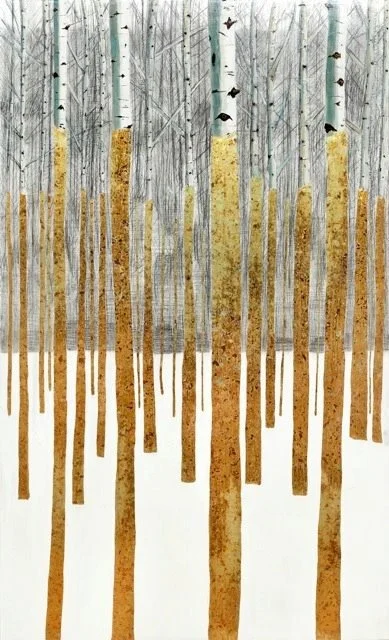
Birch Trees
By Donavan Barrier
When an artist spends their life creating, the process of creation becomes practically second nature.
For the last 44 years, multimedia artist Michael O’Briant has created works that he hopes will inspire people to celebrate local artists and show how a relationship with nature can be the impetus for creating beautiful paintings and portraits.
His works include outdoor landscapes, cityscapes, and three-dimensional hanging pieces. He owns a studio in Chicago, Illinois, which he operates with his wife. He lives part-time in Michiana Shores, Indiana. His art has been shown in multiple galleries and collections in New Buffalo, Chicago, and Houston, as well as in England, Russia, and Canada.
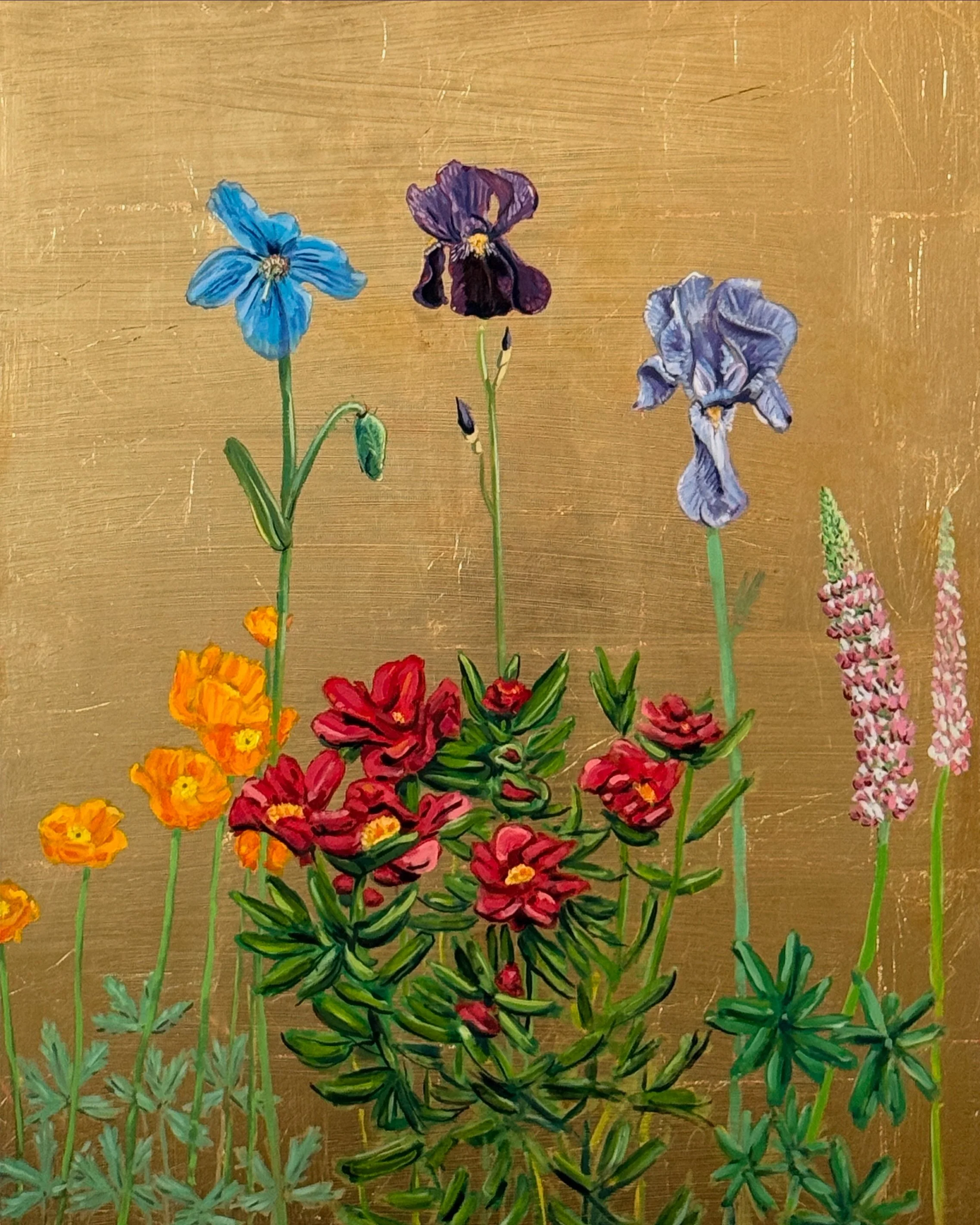
English Garden
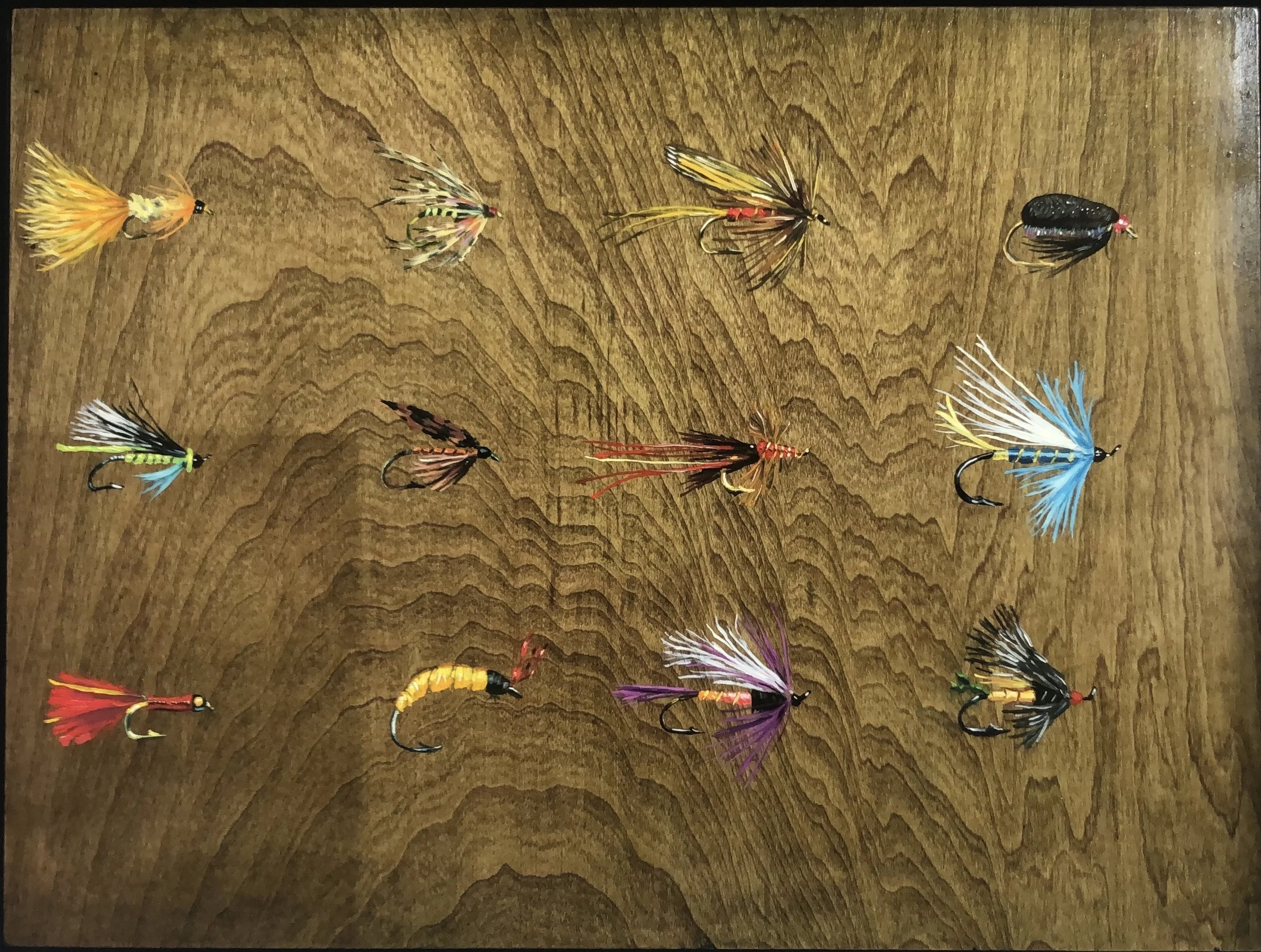
Tied Flies
O’Briant said that while he has been creating full-time since 2004, art has been a part of his entire life. Throughout middle and high school, he said he took as many painting and drawing classes as he could before deciding to study art full-time. After earning a BFA in Art at East Carolina University, he went on to receive an MFA in Studio Art with a concentration in drawing and painting. “From the time I can remember, I was always drawn to creative pursuits: music, art, creative writing, invention and the like,” said O’Briant. “I saw the world as a possibility and a challenge to be discovered or improved. I essentially saw creativity as my only vocation, even if I was doing something completely different to make money, whether it was cooking in restaurants while in grad school or building sets at Chicago theaters.”
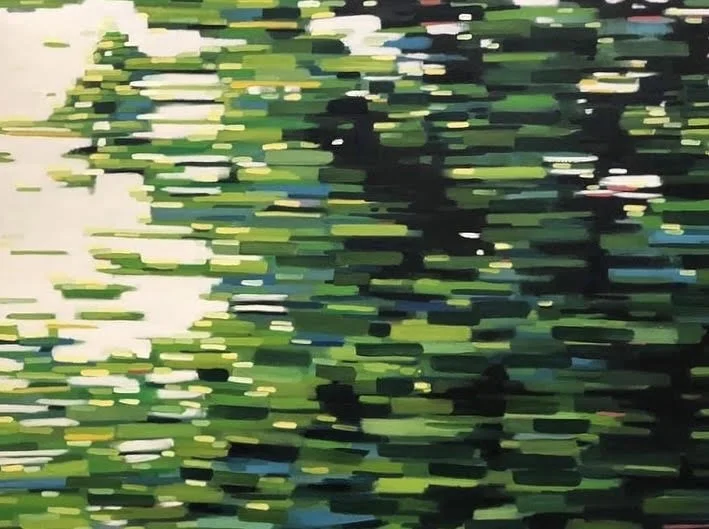
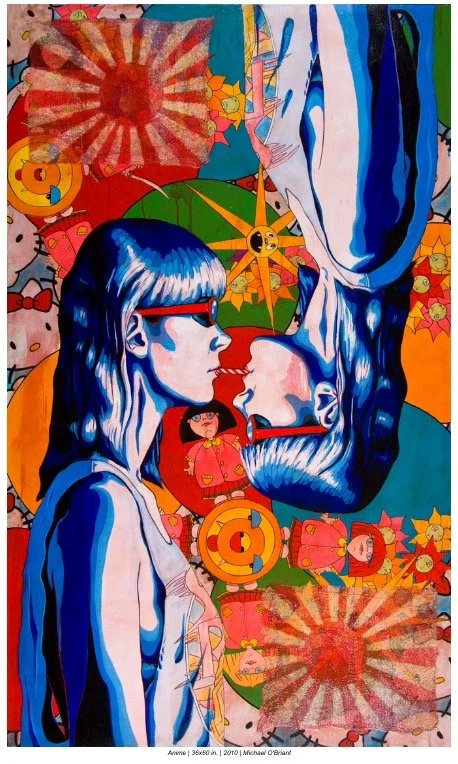
O’Briant said that while he uses eight painting styles, ranging from impressionist landscapes to monotype portraits, he sees himself as someone who explores color, composition, and texture through art.
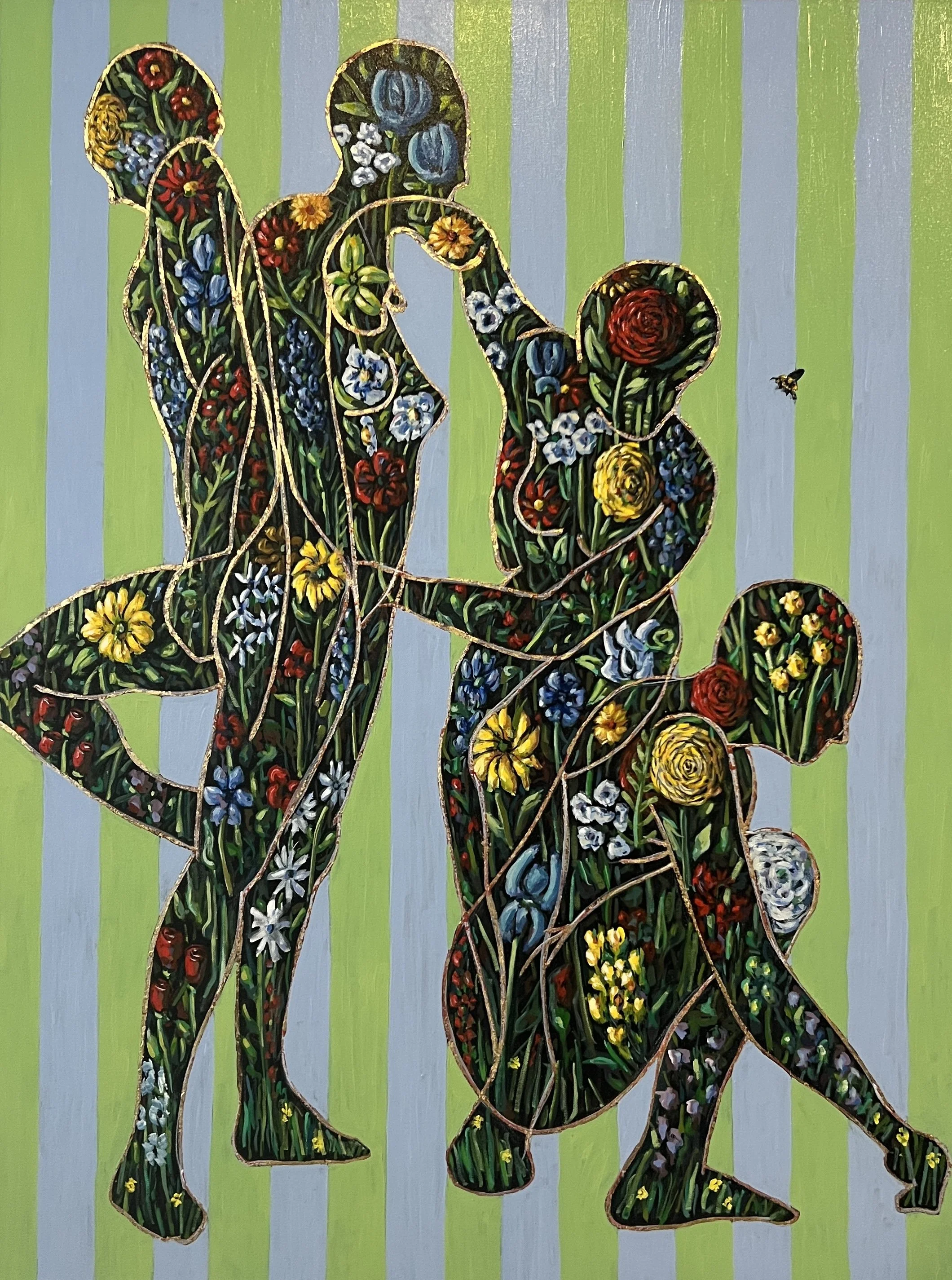
Flower Dancers 1
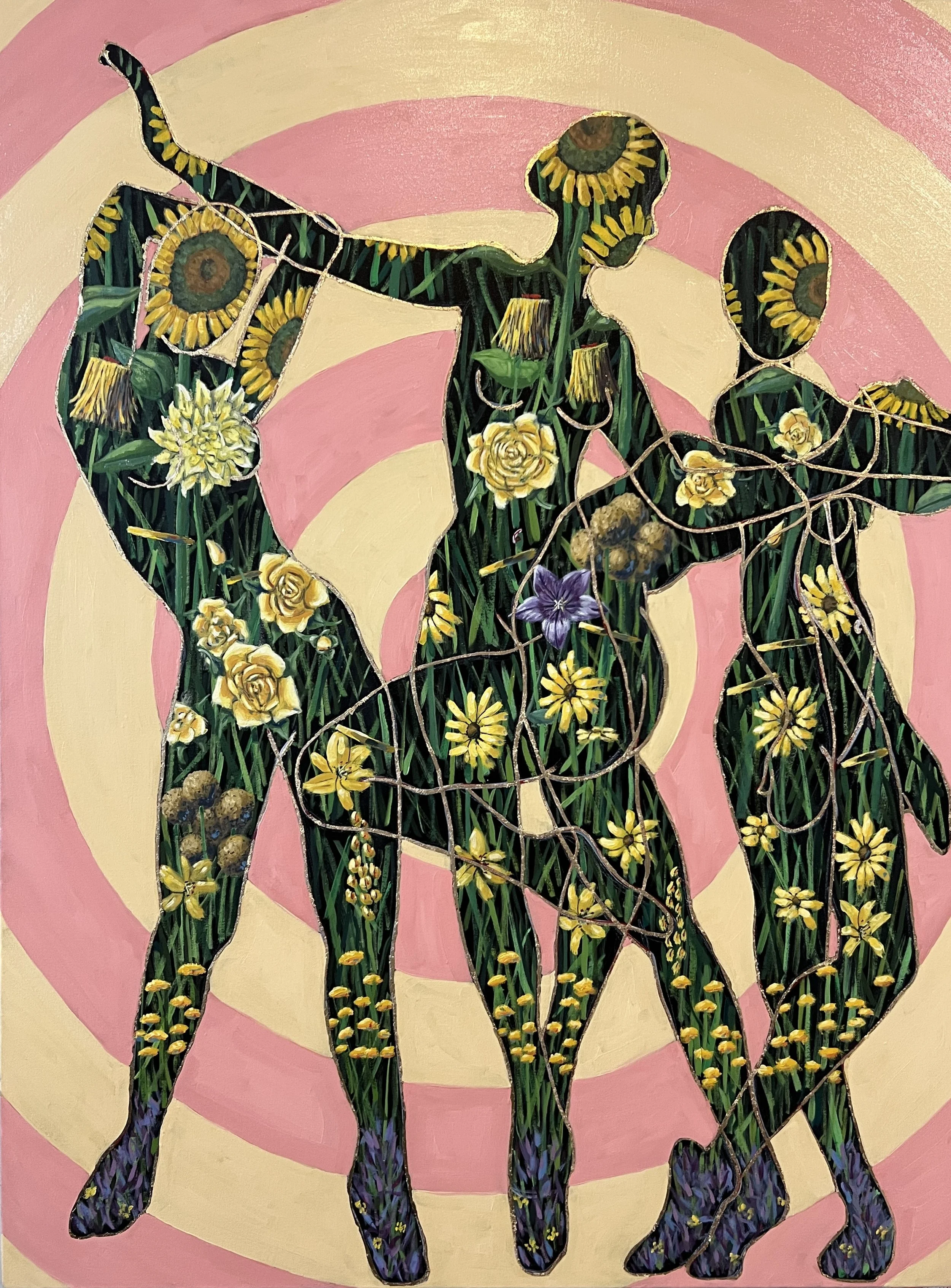
Flower Dancers 3
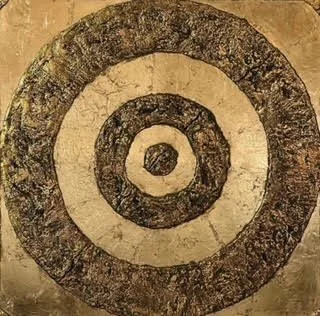
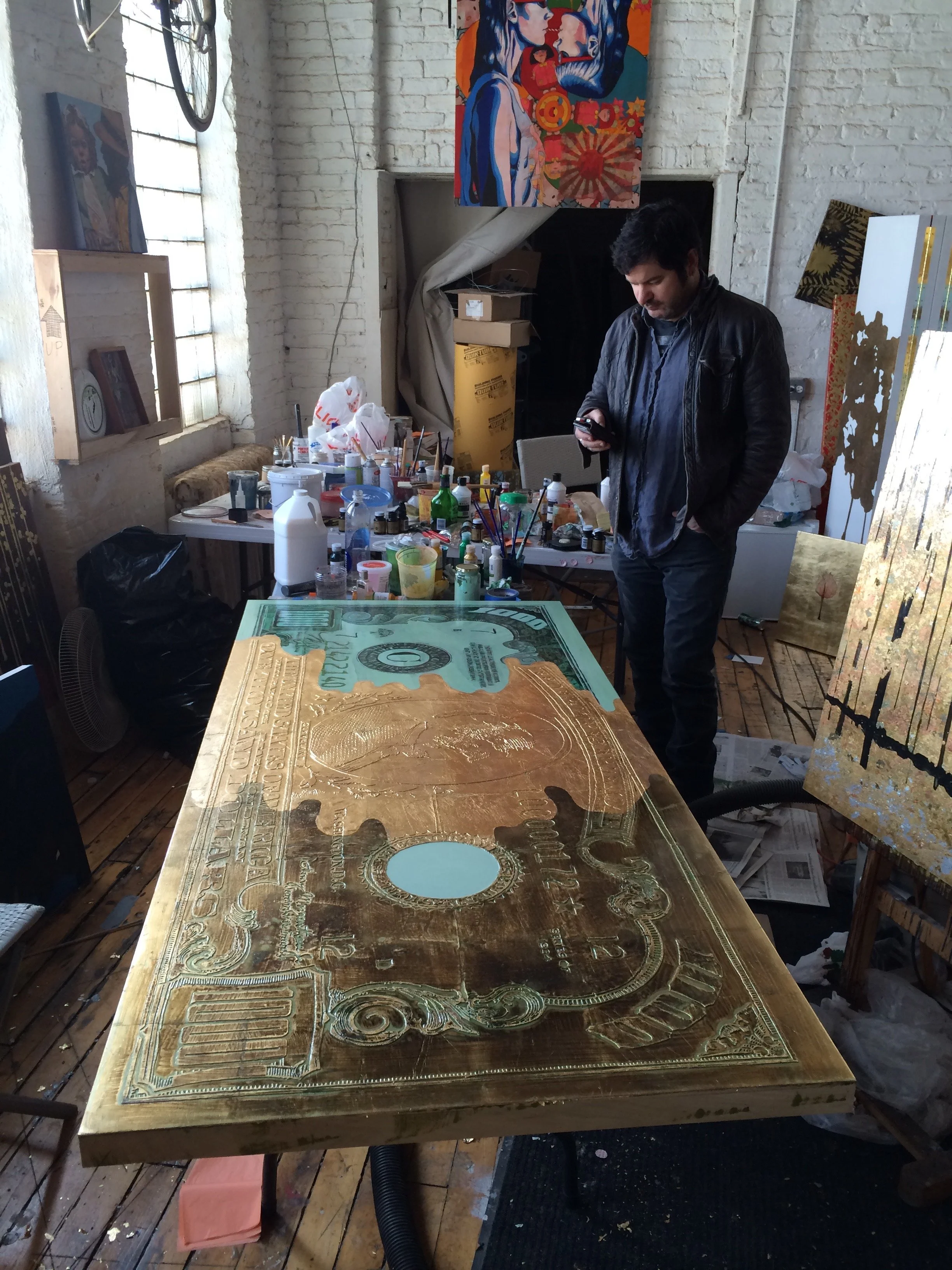
“I paint on both wood and in tiny antique tins,” O’Briant said. “I also love to pour and drip paint in a very abstract way, and other pieces use a loose ‘removal’ technique where I pour paint on metallic leaf and remove it with brushes, towels, and trowels, leaving both physical and oxidizing impressions. I still do some monotype portraits.”
“I prefer experimentation and visual diversity to simply getting it right, like a photograph,” he continued. “So basically, my style is open, depending on whatever series I’m working on at the moment.”
When creating a painting, he said he sometimes takes photographs and uses it as a base for his work. But he often uses his own memory to create a landscape, using photographs to enhance his tones and depth. He challenges himself by trying different styles and techniques. O’Briant also said he has eschewed “getting it right” in favor of experimentation with the project he’s working on at the time.
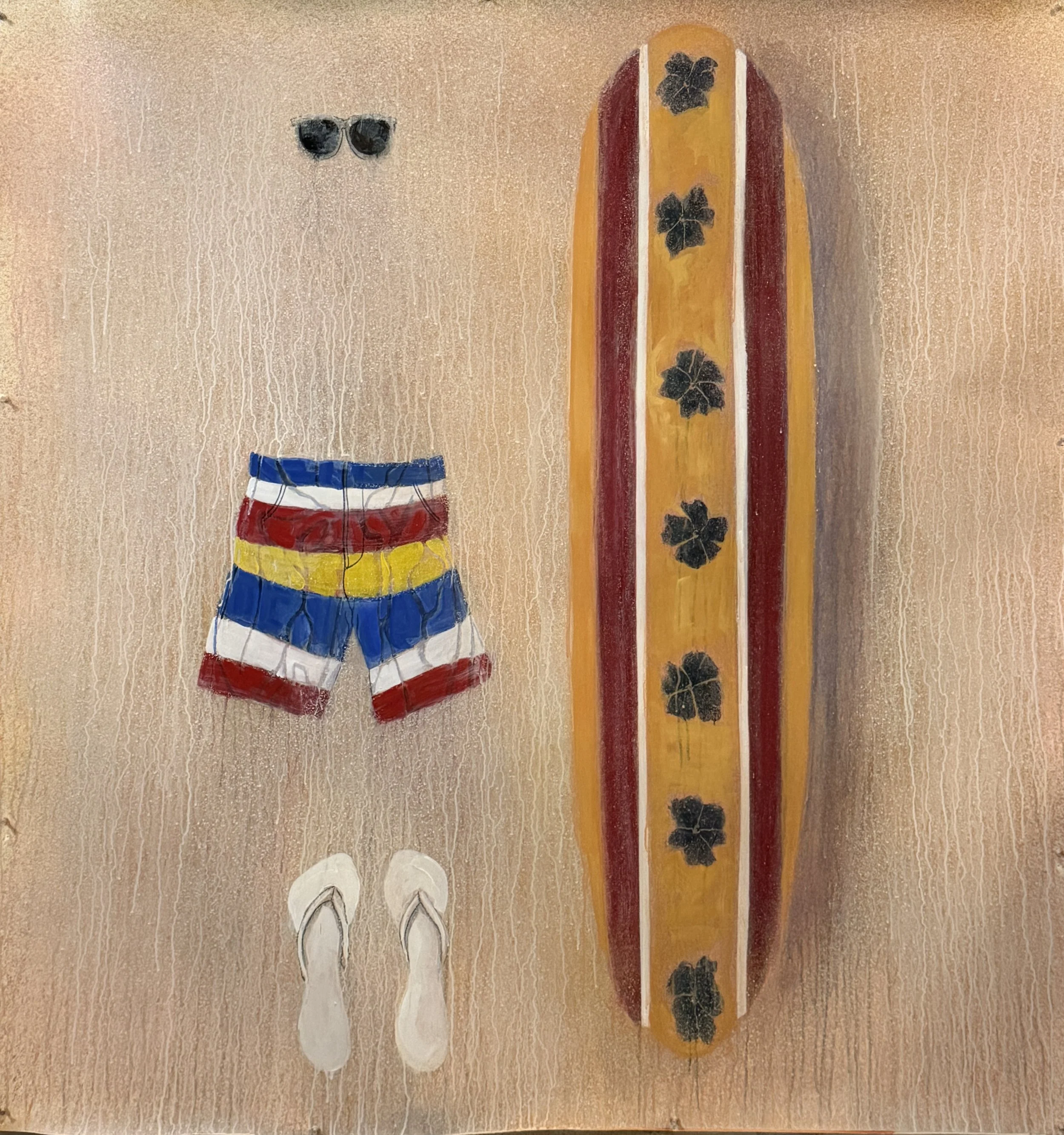
Surf’s up
“People say I’m always doing something new and it’s true. I feel making art is an adventure in creativity and exploration. I don’t want to get stuck, and I don’t want to get bored. I want to keep evolving.”
When asked how long it typically takes him to finish a painting, he jokingly said it takes him “44 years,” a nod to how long he has been creating art.
“I can finish paintings in a single week if I’m exceptionally focused and energized - but I’m usually working on multiple pieces at once - and it may take weeks or months to finish at that pace.”
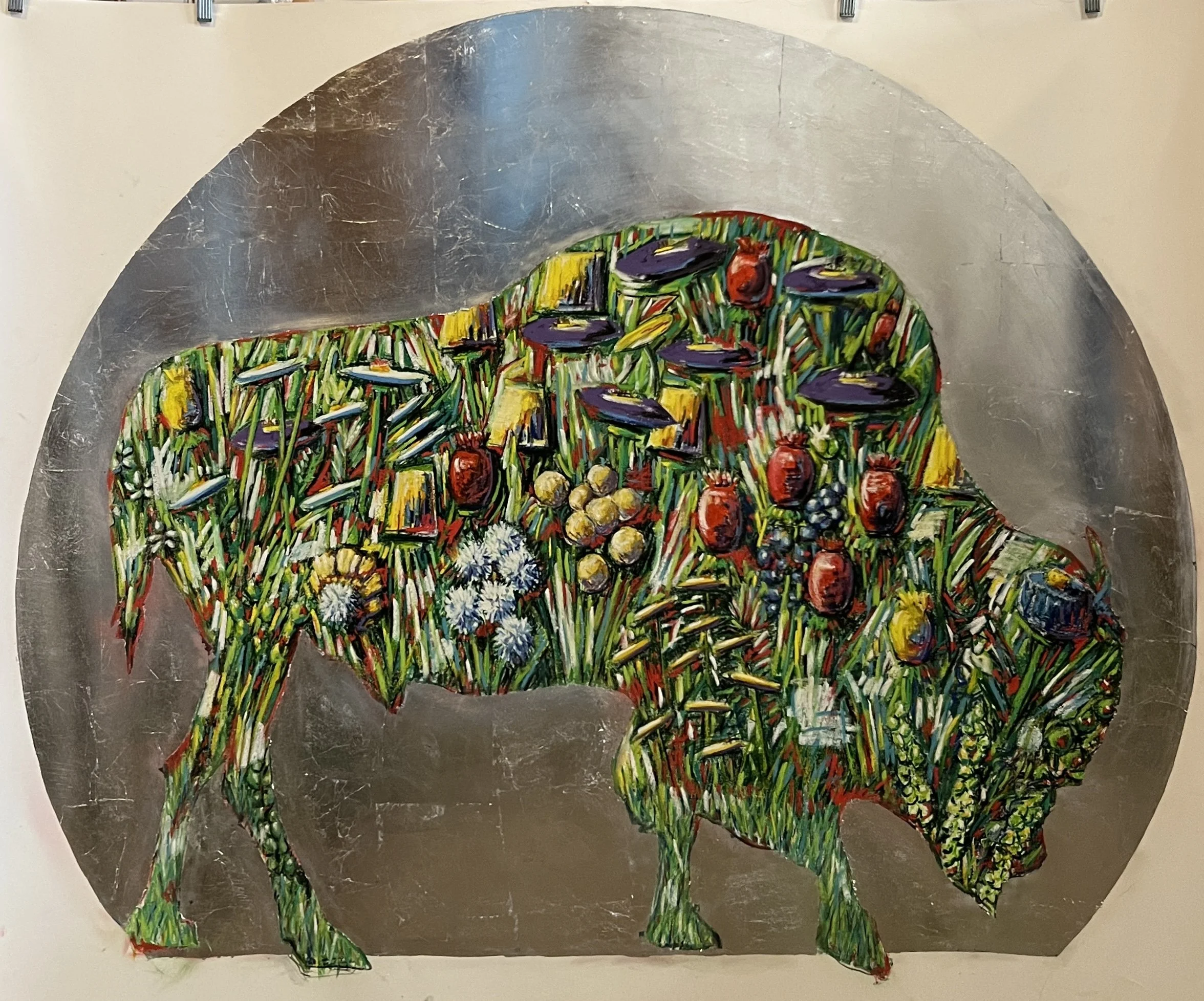
Endangered and Dangerous
One of the primary themes in his work is nature. According to O’Briant, nature inspires him when he takes a moment to actively look at his surroundings, either in his studio or when he leaves Chicago for Indiana. He said he finds the relationship between art and nature intriguing because he believes nature can be found in the most unexpected places.
“When you’re in nature, whether it’s behind my studio or in the dunes along Lake Michigan, or the rocky shoreline of Monterey Bay, there are so many colors and unexpectedly beautiful combinations of colors. And all the textures, both hard and soft. Geometric and amorphous shapes. Nature is also the thing that grounds us—it’s the most essential and universal experience. I find all of that and our relationship to it so intriguing.”
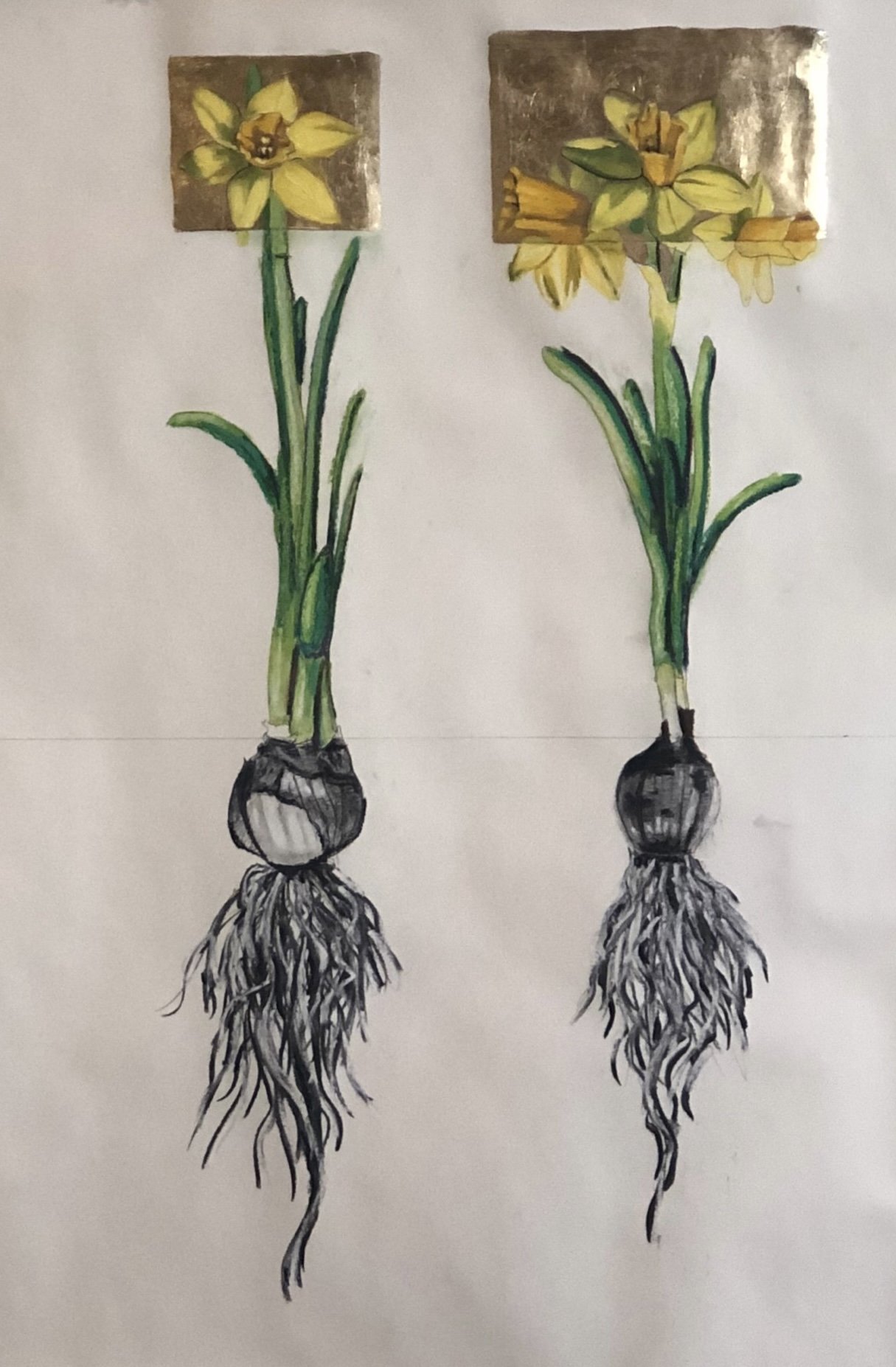
Root Stand and All
Much of the feedback O’Briant receives about his work says his art is approachable and comforting, which he attributes to his use of color and light in his paintings.
When asked about what makes art an important part of the human experience, O’Briant said art helps reflect who we are and where we are as a species.
“[Art] helps us understand our place in a complicated world,” he said. “And that a human hand is responsible for creating the art, whether it’s a painting, a sculpture, a collage or a piece of music or dance, it shows us not only expression but possibility.”
“I’m hoping my work and the decades of intuitive growth and discovery inspire even casual art viewers to see possibility in art or any creative pursuit,” he continued.
He said he hopes that, in a small way, his work can inspire people to support other local artists in their communities.
“There’s no doubt in my mind that having handmade work in your home will improve your mental health, intellectual curiosity, and respect for those who are compelled to be makers. Art makes the world a better place.”
To see more of Michael O’Briant’s work, visit his website at michaelobriant.com or his Instagram page @michael_obriant_art.
Michael O'Briant
Aneme